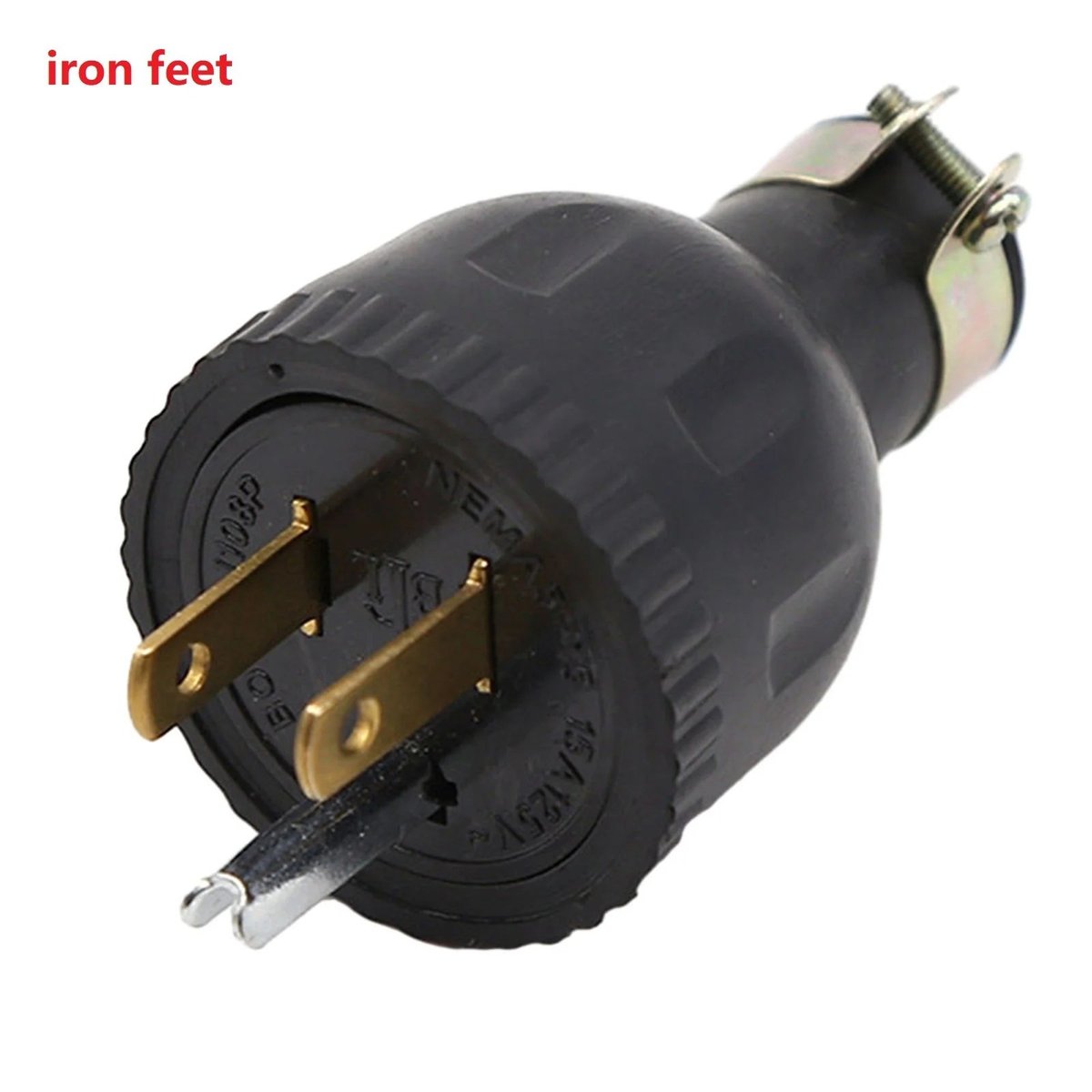
When the lights go out, a reliable generator is your lifeline. But that powerful hum is only as good as its connection to your home. This isn't just about plugging in; it's about sophisticated, Advanced Generator Plug Systems & Accessories that ensure safety, efficiency, and seamless power transfer. Getting it right means the difference between a minor inconvenience and a potential disaster. Forget makeshift solutions – we're diving into the robust, purpose-built systems designed for today's discerning homeowner.
At a Glance: Powering Up Safely
- Match Power & Voltage: Always align your generator's wattage (3500-15,000 running watts) and voltage (125/250 Volts) with your chosen plug system (30 Amp or 50 Amp).
- Prioritize Safety Certifications: Look for ETL or UL listed products, ensuring they meet rigorous national safety standards. NEC code compliance is non-negotiable.
- Invest in Quality Materials: Copper wiring, UV-resistant and waterproof jackets, and anti-corrosive inlet box coatings are crucial for durability and outdoor use.
- Ease of Installation Matters: Pre-punched knockouts or rubber plugs simplify setup, but professional installation is always recommended for transfer switches and interlocks.
- Don't Skimp on Cord Gauge: Thicker wires (like 10 AWG for 30 Amp, 6/3+8/1 AWG for 50 Amp) minimize voltage drop and safely handle current.
- Consider Beyond the Basics: Interlock kits prevent hazardous backfeeding, and accessories like hole plugs protect your generator from the elements and pests.
Why "Advanced" Isn't Overkill for Home Generators
You might wonder why we call them "advanced." It’s because modern generator plug systems go far beyond a simple receptacle. They represent an integrated approach to safely bringing portable power into your home's electrical panel. This involves not just the physical plug, but the entire ecosystem: heavy-duty cords, weather-resistant inlet boxes, and critical safety mechanisms like interlock kits. These components work in concert to protect your appliances, your home, and most importantly, your family, from electrical hazards during an outage.
Think of it as the ultimate handshake between your generator and your house. A flimsy or mismatched connection can lead to overloaded circuits, damaged appliances, or even electrical fires. Advanced systems, by contrast, are engineered to handle significant power loads reliably, often under challenging conditions.
Decoding Your Power Needs: 30 Amp vs. 50 Amp Systems
The first, and perhaps most critical, decision you'll face when considering generator plug systems is determining the appropriate amperage: 30 Amp or 50 Amp. This choice directly correlates with your generator's output and the total electrical load you intend to power in your home.
30 Amp Systems: The Workhorse for Mid-Range Needs
A 30 Amp system, typically featuring a NEMA L14-30P male plug (for the generator cord) and L14-30R female receptacle (on the inlet box), is generally suitable for generators with a running wattage between 3500 and 7500 watts. These systems operate at 125/250 Volts, making them versatile for many household appliances.
- Common Applications: Running essential circuits like refrigerators, sump pumps, a few lights, a microwave, and a television.
- Product Examples:
- The CircleCord 4 Prong 15 Feet 30 Amp Generator Extension Cord and Inlet Box is an excellent example, ETL listed and designed for 7500-watt capacity. Its 15-foot 10 gauge SJTW wire ensures safe current flow, and the inlet box features convenient rubber plugs for easy access.
- Similarly, the Campzlly 30 Amp Generator Cord 10FT and Power Inlet Box offers a shorter, robust solution with weather-resistant features, all-copper wires, and pre-drilled knockouts for straightforward installation.
- LiftCharger Kits also come in a 30 Amp version, often bundling the cord, inlet box, and even a panel interlock kit, making them a comprehensive solution for Square D Homeline 150/200/225 Amp load centers.
50 Amp Systems: Unleashing Maximum Home Power
When your power demands are higher, or you have a larger whole-house generator, a 50 Amp system is the way to go. These systems, often using a NEMA SS2-50P configuration, can support generators ranging from 9000 to 15,000 watts (or even higher), still at 125/250 Volts.
- Common Applications: Powering a substantial portion of your home, including central air conditioning, electric ranges, well pumps, water heaters, and multiple major appliances simultaneously.
- Product Examples:
- The Afurkuot 50 Amp Generator Inlet Box is a standalone, ETL listed option, supporting up to 12,500 watts. Its multiple pre-punched knockouts (4.2” x 3” x 6.1” dimensions) offer flexible wiring to your transfer switch or electrical panel.
- The YOMILINK 50 Amp 10 Feet Generator Cord with Inlet Box Kit provides a UL listed, heavy-duty solution. It boasts a 10-foot 6/3+8/1 AWG STW copper wire, ensuring excellent conductivity, heat resistance, and UV-resistant PVC coating. The 90-degree grip handle is a small but mighty ergonomic touch.
- Campzlly's 50 Amp Generator Cord 15FT and Power Inlet Box offers similar robust features, including anti-corrosive powder paint on the pre-drilled inlet box and all-copper wiring for extreme temperature resilience.
- LiftCharger Kits also provide 50 Amp bundles, catering to those seeking a complete, high-capacity solution including the interlock kit.
- A generic ETL listed 50 Amp Power Inlet Box might also offer pre-punched knockouts on four sides, further simplifying the connection process without the need for additional drilling.
Understanding these distinctions is paramount. Underpowering your system is inefficient and can strain your generator, while over-specifying might cost more than you need without providing additional benefits.
The Anatomy of a Safe Connection: Inlet Boxes & Cords
Once you’ve determined your amperage, you need to understand the components that make up the system: the power inlet box and the generator cord itself. These are the physical conduits for your home's emergency power.
Power Inlet Boxes: The Home's Gateway
The inlet box is permanently mounted on the exterior of your home, typically near your main electrical panel or transfer switch. It's where you plug your generator cord into your house.
- Construction & Durability: Look for inlet boxes made from robust, weather-resistant materials. Anti-corrosive powder coating is a key feature, protecting against rust and degradation from rain, snow, and UV exposure. Brands like Campzlly emphasize this for longevity.
- Knockouts vs. Rubber Plugs:
- Pre-punched/Pre-drilled Knockouts: Many inlet boxes, like the Afurkuot 50 Amp model or generic 50 Amp ETL listed options, come with knockouts on multiple sides. This flexibility allows you to route conduit to your electrical panel from various directions without needing special tools or drilling.
- Rubber Plugs: Some kits, such as the CircleCord 30 Amp, use rubber plugs instead of traditional knockouts. These are incredibly easy to open for wiring and then seal tight, offering a user-friendly installation experience.
- Internal Space: Ample internal space within the inlet box is crucial for neat, safe wiring, allowing electricians to make connections comfortably and securely.
Generator Cords: The Lifeline
The cord connects your generator to the inlet box. This isn't just any extension cord; it's a heavy-duty, purpose-built cable designed for high power and outdoor conditions.
- Wire Gauge: The Thicker, The Better:
- For 30 Amp systems, a 10 AWG (American Wire Gauge) wire is standard and crucial for safe operation, preventing overheating and excessive voltage drop over distance.
- For 50 Amp systems, you'll typically see 6/3+8/1 AWG STW copper wire (three 6-gauge wires for hot and neutral, plus one 8-gauge wire for ground). This robust construction, as seen in the YOMILINK 50 Amp cord, ensures maximum conductivity and safety for high wattage demands. Avoiding undersized cords is perhaps the single most important safety consideration after certifications.
- Jacket Material: The cord's outer jacket needs to be more than just flexible. Look for UV-resistant, waterproof, and flame-retardant PVC or similar coatings. This protects the internal wires from environmental damage and adds a critical layer of safety.
- Length: Cord length is a balance. You need enough length to position your generator safely away from your home (to prevent carbon monoxide poisoning), but excessively long cords can lead to voltage drop. Common lengths are 10-15 feet, but longer options exist.
- Ergonomics: Features like a 90-degree grip handle, as offered by YOMILINK, make plugging and unplugging easier and safer, especially in cold or wet conditions.
Beyond the Basics: Enhancing Safety & Longevity
While the core inlet box and cord are essential, several advanced accessories elevate safety, functionality, and the lifespan of your entire generator setup.
The Critical Role of Interlock Kits
An interlock kit is a mechanical device installed on your main electrical panel. Its primary function is safety: it physically prevents the main utility breaker and the generator breaker from being on at the same time. This is absolutely critical to prevent "backfeeding."
- What is Backfeeding? Backfeeding occurs when power from your generator flows back into the utility grid. This is incredibly dangerous for utility workers who might be trying to restore power, as they could be electrocuted by your generator's output. It can also damage your generator or household appliances.
- NEC Code Compliance: Interlock kits are a National Electrical Code (NEC) compliant method for connecting a portable generator to a home's electrical panel, serving as a safer, often more affordable alternative to an automatic transfer switch for many homeowners.
- Compatibility: If you opt for an interlock kit, ensure it's compatible with your specific electrical panel brand and model. LiftCharger Kits, for instance, specify compatibility with Square D Homeline 150/200/225 Amp load centers.
Protecting Your Investment: Hole Plug Kits
Generators, especially whole-house air-cooled models, have openings for ventilation and maintenance. These seemingly minor details can become major vulnerabilities.
- Animal and Debris Protection: The KitchenKipper Hole Plug Kit, compatible with Generac whole house air-cooled generators (10kW to 24kW), is a prime example. These plugs block base holes, preventing critters (mice, insects) from nesting inside, which can chew wires, build nests, and cause damage.
- Moisture and Corrosion Prevention: Blocking these holes also reduces the ingress of moisture, dirt, and debris, which can lead to corrosion or impede the generator's internal components, extending its operational life. It's a small accessory with a big impact on longevity and reliability.
Choosing Your Ideal Generator Kit: A Smart Buyer's Checklist
Navigating the options can feel overwhelming, but a structured approach ensures you get a system perfectly matched to your needs and safety standards. Here's a practical guide to making an informed decision.
1. Power Rating and Compatibility: Measure Twice, Cut Once
This is your starting point. You need a system that can handle your generator's output without being overloaded or excessively undersized.
- Generator Output: Check your generator's running watts. A 30 Amp system handles up to 7500 watts, while a 50 Amp system typically accommodates 9000-15,000 watts.
- Home's Electrical Load: Estimate the total wattage of the appliances and circuits you must run during an outage. Don't just consider the generator's max output; think about your actual peak usage.
- Voltage: Most home generators provide 125/250 Volts. Ensure your system components are rated for this dual voltage.
2. Plug and Inlet Box Type: The Right Connection
The physical connection must match.
- NEMA Standards: Common types are NEMA L14-30 (4-prong 30 Amp twist-lock) and NEMA SS2-50P (50 Amp twist-lock). "Twist-lock" connectors are preferred for generators because they prevent accidental disconnection, which can be dangerous.
- Generator to Inlet Box: The male plug on your generator cord must match the female receptacle on your inlet box, and both must match the receptacle on your generator itself. It sounds obvious, but double-check!
3. Material Quality and Weather Resistance: Built to Last
Your generator setup lives outside; it needs to withstand the elements.
- All-Copper Wiring: This is non-negotiable for conductivity and durability, especially in extreme temperatures, as highlighted by Campzlly's product descriptions.
- UV-Resistant/Waterproof Jackets: The cord's outer coating should protect against sun damage, rain, and snow. YOMILINK's PVC coating is an excellent example.
- Anti-Corrosive Coatings: For metal inlet boxes, powder coating prevents rust and ensures the box remains functional and aesthetically sound for years.
4. Ease of Installation: Streamlining the Setup
While professional installation is always recommended for connecting to your home's panel, some features simplify the process.
- Pre-drilled/Pre-punched Knockouts: These reduce installation time and the need for specialized tools. Look for options with multiple knockouts (e.g., Afurkuot 50 Amp Inlet Box) for flexible conduit routing.
- Rubber Plugs: As seen in the CircleCord 30 Amp kit, these offer tool-free access for wiring, a nice touch for DIY-savvy homeowners or electricians.
- Internal Space: A spacious inlet box interior allows for cleaner, safer wiring connections. Generic Heavy-Duty Combo Kits often come with pre-drilled boxes for direct panel installation.
5. Safety Certification: Your Non-Negotiable Guarantee
Never compromise on safety.
- ETL or UL Listed: Always choose products that carry these certifications. ETL and UL are independent testing organizations that verify products meet national safety standards, significantly reducing the risk of electrical failures, shocks, or fire. Many products mentioned, like Afurkuot, CircleCord, Campzlly, and YOMILINK, proudly display these listings.
- NEC Code Compliance: Components like interlock kits must adhere to the National Electrical Code to prevent hazardous backfeeding and ensure your entire setup is legally and safely installed.
6. Cord Length and Wire Gauge: The Right Reach and Capacity
This affects both safety and performance.
- Safe Distance: Choose a cord long enough to position your generator at least 20 feet away from your home's windows and doors to prevent carbon monoxide accumulation.
- Voltage Drop: For longer cord runs, consider slightly thicker gauges if possible, to minimize voltage drop, which can impact appliance performance. As noted earlier, 10 AWG for 30 Amp and 6/3+8/1 AWG for 50 Amp are standard safe minimums.
7. Electrical Panel Type Compatibility: A Seamless Integration
If your kit includes an interlock device, it must perfectly match your home's electrical panel.
- Brand and Amperage: LiftCharger Kits, for example, are designed for specific Square D Homeline 150/200/225 Amp load centers. Confirming this compatibility before purchase avoids frustrating returns or the need for additional modifications.
8. Additional Features and Accessories: Enhancing User Experience and Protection
Small details can make a big difference.
- Ergonomic Grip Handles: The 90-degree grip on the YOMILINK cord makes handling much easier.
- Hole Plug Kits: For whole-house generators, accessories like the KitchenKipper Hole Plug Kit protect against animal intrusion, debris, and moisture, extending the life of your unit.
- Animal-Proof Inlet Covers: While not always explicitly listed, well-designed inlet boxes should offer features that deter pests from nesting.
To ensure you're making the most informed decision about your generator setup, it's always wise to learn more about generator plugs and their various specifications.
Installation Simplified: What to Expect
While generator plug systems are designed for convenience, their installation involves working with your home's main electrical panel.
- Mounting the Inlet Box: The weather-resistant inlet box is mounted on an exterior wall, typically near where your main electrical panel or transfer switch is located inside.
- Wiring the Inlet Box: An electrician connects the inlet box to your transfer switch or directly to a dedicated breaker in your electrical panel (if using an interlock kit) using appropriate conduit and wiring. This step requires expertise to ensure correct phasing and grounding.
- Generator Connection: The generator cord then simply plugs into your generator and the outdoor inlet box.
Crucial Advice: Unless you are a licensed electrician with experience in generator installations, always hire a qualified professional for the installation of the inlet box, transfer switch, and interlock kit. Incorrect wiring can lead to severe electrical hazards, property damage, and voided warranties.
Common Myths & Misconceptions About Generator Connections
Let's clear up some common misunderstandings that can lead to dangerous practices.
- Myth 1: "I can just run an extension cord from my generator into the house."
- Reality: This is incredibly dangerous. Standard extension cords are not rated for the amperage or outdoor conditions required for generators, can overheat, and create fire hazards. More critically, running cords through windows or doors defeats weather sealing and provides no safe way to connect to your home's circuits, often leading to circuit overloading or the use of multiple inadequate cords.
- Myth 2: "I can just plug my generator into a regular wall outlet (backfeeding)."
- Reality: NEVER DO THIS. Plugging a generator into any wall outlet in your home is called backfeeding and is illegal and potentially lethal. It sends power backward through your home's wiring into the utility grid, risking electrocution for utility workers and potentially damaging your home's electrical system and appliances. An interlock kit or a transfer switch is the only safe and legal way to connect a generator to your home's main panel.
- Myth 3: "All generator cords are the same."
- Reality: Absolutely not. As discussed, cord length, wire gauge, and jacket material vary significantly. Using an undersized cord for your generator's output can cause it to overheat, leading to fires or permanent damage to your generator. Always match the cord's amperage and gauge to your generator and inlet box.
- Myth 4: "I don't need safety certifications like UL or ETL."
- Reality: These certifications are your assurance that a product has been independently tested and meets stringent safety standards. Skipping certified products significantly increases your risk of electrical failures, fires, or personal injury.
Your Next Step to Reliable Home Power
Choosing the right Advanced Generator Plug Systems & Accessories is more than just a purchase; it's an investment in your home's resilience and, more importantly, your family's safety during an unexpected power outage. By carefully considering your generator's output, your household's power needs, and prioritizing certified, high-quality components, you can create a reliable, safe, and efficient emergency power setup.
Don't wait for the next storm to realize the importance of a robust connection. Evaluate your generator, assess your needs, and select a system that provides peace of mind. And remember, for any permanent wiring or panel modifications, always consult with a qualified, licensed electrician. They're your best resource for ensuring a safe and code-compliant installation, ready for when the lights go out.