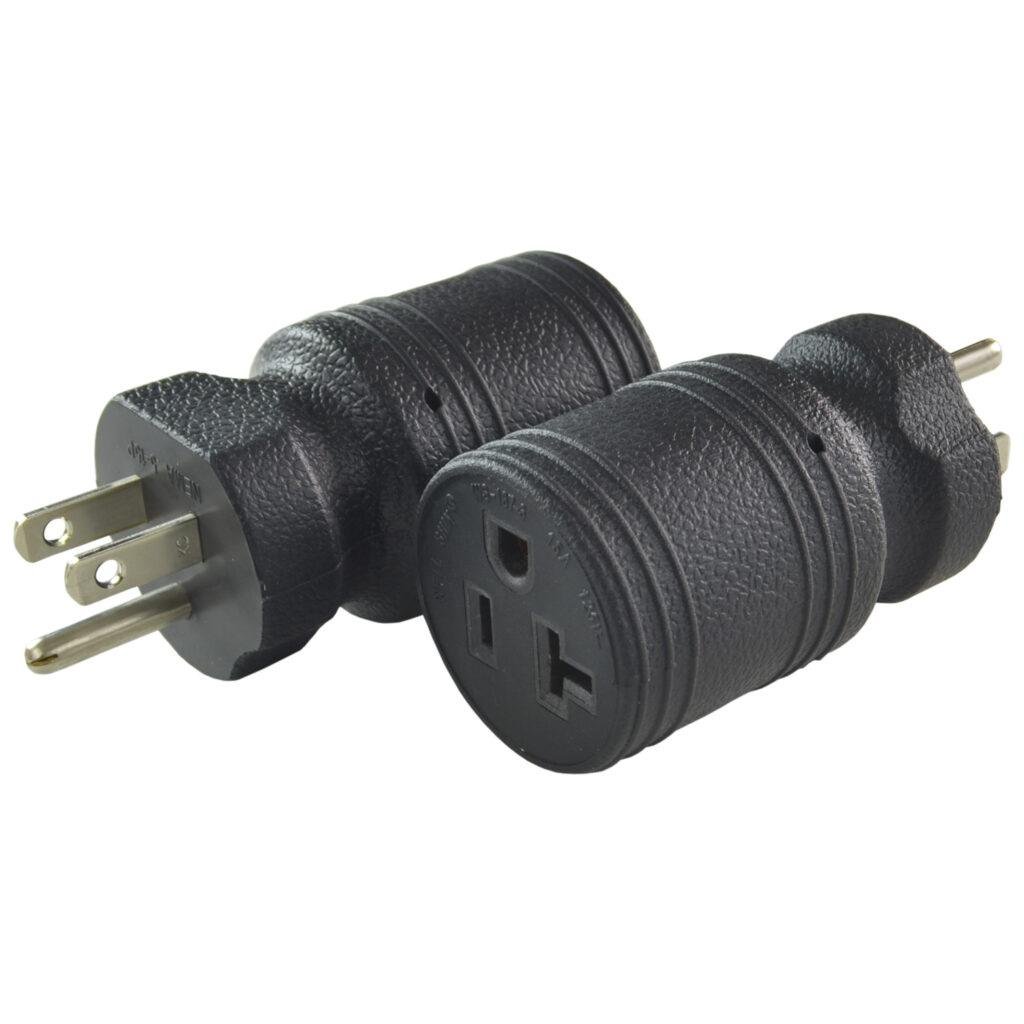
When the lights go out, or you’re far from the grid, your generator is a lifeline. But a generator is only as useful as its connection points. That’s where Generator Cord & Adapter Solutions step in, transforming raw power into usable energy for your home, RV, tools, and essential appliances. Imagine navigating a cold snap without heat, or a job site grinding to a halt because of incompatible plugs. Having the right cords and adapters isn't just a convenience; it's a critical component of preparedness and efficiency. They are the unsung heroes that bridge the gap between your generator’s robust output and the diverse needs of your devices, ensuring everything runs smoothly, safely, and without a hitch.
At a Glance: Key Takeaways for Generator Cords & Adapters
- Safety First: Always prioritize correctly rated, weather-resistant cords and adapters to prevent fire hazards, electrocution, and equipment damage.
- Match Specs: Ensure your cord and adapter’s amperage, voltage, and plug type match both your generator’s output and the devices you’re powering.
- Know Your Plugs: Familiarize yourself with common NEMA configurations (e.g., L14-30, 5-20) to ensure compatibility.
- Gauge Matters: Use appropriate wire gauge for your load and cord length to prevent overheating and voltage drop.
- Outdoor Rating: Only use cords and adapters rated for outdoor, wet conditions (e.g., "W" or "WR" on the jacket) when powering outside.
- Dogbones & Spiders: These versatile adapters allow you to connect different plug types or branch off to multiple outlets safely.
- Transfer Switch or Inlet Box: For home backup, these are the safest ways to connect your generator to your home’s electrical panel, eliminating risky "backfeeding."
More Than Just Wires: Why Your Connections Matter
Think of your generator as the heart of your temporary power system. Its cords and adapters are the arteries and veins, delivering vital energy where it's needed most. Without the right connectors, that powerful heart can't pump life into your home, farm, or campsite. This isn't just about turning on a light; it’s about keeping your refrigerator running during an outage, charging tools on a remote project, or ensuring your RV's AC stays cool on a hot summer trip.
The reality is, generators come with a variety of outlets, and the appliances or systems you want to power often have different plug configurations. That’s where adapters become essential. They’re designed to be the universal translator, making sure your generator's specific output can connect safely and efficiently to whatever you need to energize. Ignoring the importance of proper cords and adapters can lead to frustrating downtime, damaged equipment, or, far worse, dangerous electrical hazards.
Decoding the Power Puzzle: Understanding Generator Outlets and Plugs
Before you can pick the right cord or adapter, you need to understand the language of generator outlets and the plugs they accept. It might look like a jumble of letters and numbers (NEMA L14-30, 5-20R, etc.), but each configuration tells a story about voltage, amperage, and safety.
Most common generator outlets fall into two main categories:
- Standard Household Outlets (NEMA 5-15R or 5-20R): These are your typical 120-volt, 15-amp (5-15R) or 20-amp (5-20R) three-prong receptacles. They're great for smaller appliances, lights, and tools. Many portable generators will have a few of these.
- Twist-Lock Outlets (NEMA L-Series): These are the workhorses for higher power applications and are designed to prevent accidental disconnection. The "L" stands for locking. You'll typically find:
- L5-30R: A 120-volt, 30-amp twist-lock outlet, common for RVs and some smaller appliances needing higher current.
- L14-30R: A 120/240-volt, 30-amp twist-lock, often used for home backup power through a transfer switch or for larger 240V tools. This is one of the most common outlets on medium to large portable generators.
- L14-20R: Similar to the L14-30R but for 20-amp applications.
- L5-20R: A 120-volt, 20-amp twist-lock.
There are also larger Straight Blade 240-volt Outlets (NEMA 10-30R, 14-30R, 14-50R), primarily used for electric ranges (10-30R, older style) or dryer outlets (14-30R) and large RV shore power connections (14-50R). Some generators designed for heavier loads might include these.
To dive deeper into the specific types and their uses, you can learn more about generator plugs and their various NEMA configurations. Understanding these is the first crucial step in ensuring you connect your generator safely and effectively.
The Right Connection: Different Types of Generator Cords and Adapters
With so many plug types, it’s no surprise there's a wide array of cords and adapters designed to facilitate safe and effective power transfer.
1. Extension Cords: The Basics
- Standard Extension Cords: For directly powering individual 120V appliances. Crucially, they must be rated for outdoor use (check for "W" or "WR" on the cord jacket) and have the correct gauge for the load and length. Never run an undersized cord for a heavy load or a long distance, as this can cause overheating and potential fire.
- Generator Extension Cords: These are heavy-duty, often 10-gauge (10 AWG) or 12-gauge (12 AWG) cords designed to handle the higher amperages and distances typically associated with generator use. They often feature weather-resistant, durable jackets.
2. Generator Adapters: The Translators
Adapters are where the real magic happens, allowing you to connect different plug types.
- Dogbone Adapters: These are short (typically 1-2 feet), flexible cords with different male and female ends. For example, a common dogbone might have an L14-30P (male, generator side) and a 14-50R (female, RV side). They get their name from their shape, resembling a dog's bone.
- Example Use: Connecting your generator's L14-30 outlet to an RV with a 14-50 shore power inlet.
- Straight Adapters: Simple, compact adapters that connect directly without a cord. Less flexible than dogbones, but often used for converting a single outlet type to another.
- Example Use: Converting a 50A RV plug to a 30A RV plug for smaller shore power pedestals.
- Spider Box Adapters (or Multi-Outlet Adapters): These usually plug into a higher-amperage twist-lock outlet (like an L14-30) and break out into multiple standard 120V household outlets (5-15R or 5-20R). Some also include an L5-30R outlet. They are excellent for distributing power from a single generator outlet to several smaller devices.
- Example Use: Powering several tools, lights, and a radio from one L14-30 generator outlet on a job site.
- Transfer Switch Inlet Adapters: These specific cords connect your generator to an outdoor transfer switch inlet box, which then routes power safely into your home’s electrical panel. They typically feature a male twist-lock (like L14-30P) on both ends, or a male twist-lock on one end and a male straight blade on the other, depending on the inlet box type.
Amperage, Voltage, and Wattage: The Power Triangle
Understanding these three concepts is fundamental to choosing the right cords and adapters.
- Voltage (V): The "pressure" of the electricity. Most household appliances run on 120V. Larger appliances (like electric dryers, central AC units, or water heaters) and generators often use 240V, or a combination of 120/240V. Your generator, cords, and devices must all match in voltage.
- Amperage (A): The "flow" or current of electricity. This is crucial for cord and adapter sizing. A 30-amp cord can handle up to 30 amps of current. Overloading a cord with too many amps will cause it to overheat, melt, and become a fire hazard.
- Wattage (W): The "power" consumed or produced (Voltage x Amperage). Your generator's total wattage determines how much you can power. Always ensure the sum of watts for all connected devices doesn't exceed your generator's running wattage.
The Golden Rule: Your cords and adapters must at least meet (or exceed) the amperage rating of both your generator's outlet and the connected load. Never use a 20-amp cord for a 30-amp outlet or load.
Choosing Your Generator Cords and Adapters: A Step-by-Step Guide
Selecting the right connections isn't overly complicated if you follow a few key steps.
Step 1: Identify Your Generator’s Outlets
Look at your generator’s control panel. What kind of outlets does it have? Note their NEMA configurations (e.g., L14-30R, 5-20R) and their voltage/amperage ratings. This is your source side.
Step 2: Determine What You Need to Power
- Whole Home/Partial Home Backup: You'll likely need a heavy-duty cord to connect to a transfer switch or power inlet box (often L14-30P to L14-30P).
- RV Power: Check your RV's shore power inlet. Is it 30A (L5-30) or 50A (14-50)? You’ll need an adapter to match your generator’s output to your RV’s inlet.
- Individual Appliances/Tools: Standard 120V extension cords will be needed, possibly originating from a spider box adapter if you're connecting many things.
- 240V Tools: If your generator has a 240V outlet (e.g., L14-30R) and your tool is 240V, you'll need a straight 240V cord.
Step 3: Match the Plugs (Male to Female)
- Male Plug: This connects to your generator's outlet.
- Female Receptacle: This connects to your device's plug or your home's inlet box.
Ensure the male end of your cord/adapter perfectly matches your generator’s outlet, and the female end matches what you want to connect to.
Step 4: Consider Amperage and Voltage
As discussed, this is non-negotiable.
- If your generator has an L14-30R (120/240V, 30A) outlet, any cord or adapter connecting to it must be rated for 30 amps and 120/240 volts.
- If you're adapting down from 30A to 50A (e.g., generator L14-30 to RV 14-50), the adapter will limit the current to 30A, protecting your generator, but meaning your 50A RV won't get its full current. If you're adapting from 50A to 30A, the adapter will only draw 30A from the 50A source.
Step 5: Cord Gauge and Length
- Gauge (AWG): Lower AWG numbers mean thicker wire and higher current capacity.
- 14 AWG: Good for light loads (lights, small electronics) up to 15A for shorter runs.
- 12 AWG: Standard for most household appliances up to 20A, or longer runs for 15A.
- 10 AWG: Ideal for heavy-duty generator cords, powering multiple devices or higher-amperage loads up to 30A, especially for longer distances.
- 8 AWG or 6 AWG: Used for very high-amperage connections (50A and above) or very long runs.
- Length: Keep cords as short as practical to minimize voltage drop, especially for high-draw items. However, ensure the cord is long enough to place the generator in a safe, well-ventilated area, away from windows and doors (at least 20 feet is recommended for exhaust safety).
Step 6: Environmental Considerations
- Outdoor Rating: All cords and adapters used outdoors must be rated for outdoor use (e.g., SJOW, SJEOW). They have tougher insulation to resist moisture, UV, and abrasion.
- Weather Resistance: Look for features like molded plugs, watertight connections, and durable jackets to withstand rain, snow, and rough handling.
Connecting to Your Home: Beyond the Extension Cord
While handy for individual items, directly running extension cords into your home for essential appliances is often inefficient and can be hazardous. For truly powering your home's circuits, you have two primary safe options:
- Manual Transfer Switch: This is the gold standard for home generator backup.
- How it works: A transfer switch is hardwired into your home's electrical panel. When utility power goes out, you start your generator, connect it to an outdoor power inlet box, then flip a switch on the transfer panel to safely disconnect your home from the grid and connect it to the generator.
- Benefits: Absolutely prevents "backfeeding" (sending power back into the utility lines, which can electrocute linemen). Powers specific circuits you select (lights, fridge, furnace fan, well pump).
- Required Cord: A heavy-duty, usually 10 AWG, 120/240V cord with the correct twist-lock plugs (e.g., L14-30P male on both ends) to connect your generator to the inlet box.
- Generator Inlet Box: Similar to a transfer switch but without the circuit selection panel.
- How it works: An outdoor inlet box is hardwired to your main electrical panel, feeding power directly to a specific breaker (often 30A or 50A double-pole) through an interlock kit. The interlock kit physically prevents the generator breaker and the main utility breaker from being on at the same time, preventing backfeeding.
- Benefits: A more cost-effective way to power a larger portion of your home than a transfer switch, assuming you only need to power specific circuits controlled by that main breaker. Still requires a critical safety component (interlock kit).
- Required Cord: Same as for a manual transfer switch.
Important Warning: Never "Backfeed" Your Home. Using a male-to-male (suicide) cord to plug your generator directly into a dryer outlet or any other wall outlet is incredibly dangerous and illegal. It can electrocute utility workers, damage your home's electrical system, and destroy your generator. Always use an approved transfer switch or power inlet box with an interlock kit.
Powering Your RV: On the Road and Off the Grid
RV enthusiasts rely heavily on generators for off-grid adventures or supplementing shore power. The connection solutions here are primarily about matching amperage and plug types.
- RV Shore Power Inlet: RVs typically have either a 30-amp (NEMA TT-30R) or 50-amp (NEMA 14-50R) shore power inlet.
- Generator Outlets: Your generator might have an L5-30R, an L14-30R, or even a 14-50R.
Common RV Adapter Scenarios: - Generator L5-30 to RV TT-30: A straightforward 30-amp male L5-30P to female TT-30R dogbone adapter.
- Generator L14-30 to RV TT-30: If your generator has an L14-30 (120/240V) and your RV is 30A (120V), you'll use a specialized dogbone adapter (L14-30P male to TT-30R female) that typically only connects the 120V leg of the generator's output. Ensure this adapter is specifically designed for RV use.
- Generator L14-30 to RV 14-50 (50A RV): A common scenario. You'll need a dogbone adapter with an L14-30P male and a 14-50R female. Remember, your 50A RV will only draw 30 amps from the generator, so you won't be able to run all 50A appliances simultaneously.
- Generator 14-50 to RV 14-50: If your generator has a 14-50R outlet, you can use a straight 50A RV cord to connect directly.
Always ensure the adapter is RV-specific and designed to handle the load and voltage conversion safely.
Essential Safety Practices and Pitfalls to Avoid
Even the best cords and adapters are only safe if used correctly.
Do's:
- Do Choose the Right Gauge: Always use cords with a wire gauge appropriate for the amperage and length of the run. Thicker (lower AWG) is better for heavy loads and longer distances.
- Do Use Outdoor-Rated Cords: "W" or "WR" on the cord jacket means it's suitable for outdoor use.
- Do Inspect Regularly: Before each use, check cords and adapters for cuts, frayed insulation, bent prongs, or melted spots. Discard damaged cords immediately.
- Do Keep Connections Dry: Protect all connections from rain and moisture using weatherproof covers or by placing them under shelters.
- Do Ensure Secure Connections: Plugs should fit snugly into outlets. Twist-lock connections should be fully engaged and locked.
- Do Place Generator Safely: Always operate your generator outdoors in a well-ventilated area, far from windows, doors, and vents to prevent carbon monoxide poisoning.
- Do Use GFCI Protection: For general outdoor use, connect your extension cords to GFCI-protected outlets on your generator or use a portable GFCI adapter.
Don'ts:
- Don't Overload Cords: Never plug too many high-wattage appliances into a single cord or adapter, exceeding its amperage rating.
- Don't Daisy-Chain Extension Cords: Connecting multiple extension cords together increases voltage drop and potential for overheating. Use a single cord of appropriate length.
- Don't Run Cords Under Rugs or Through Doorways: This can damage the cord insulation, create a tripping hazard, and cause cords to overheat.
- Don't Modify Plugs or Cords: Never remove the ground prong, cut insulation, or attempt to bypass safety features.
- Don't Use Indoors: Generator exhaust contains lethal carbon monoxide. Never use a generator, even with "safe" cords, inside a home, garage, basement, or any enclosed space.
- Don't Ignore Heat: If a cord or adapter feels hot to the touch, unplug it immediately. It's overloaded or damaged.
- Don't Use for Permanent Wiring: Generator cords and adapters are temporary power solutions, not substitutes for permanent electrical wiring.
Extending Your Generator's Versatility: Beyond Outages
Generator cords and adapters aren’t just for emergencies. They unlock a world of utility:
- Remote Job Sites: Powering saws, drills, air compressors, and lights where grid power is unavailable. Spider box adapters are invaluable here for distributing power.
- Camping and Tailgating: Keeping RV batteries charged, running small appliances, or powering entertainment systems. Dogbones and RV-specific adapters are key.
- Outdoor Events: Providing power for lighting, sound systems, food warmers, and more at parties, festivals, or farmers' markets.
- Rural Living: Running well pumps, livestock heaters, barn lights, or electric fences during field work or when far from fixed outlets, as the Tractor Supply folks know well.
- DIY Projects: Providing power for welding, grinding, or other heavy-duty tools away from your garage or workshop.
Having a versatile kit of cords and adapters means your generator can adapt to almost any scenario, ensuring you're always ready, whether for necessity or convenience.
Storing and Maintaining Your Connection Solutions
Proper care extends the life of your cords and adapters and ensures they're ready when you need them most.
- Coil Neatly: Avoid kinks and twists. Coil cords loosely rather than wrapping them tightly around an elbow, which can damage internal wires. Use a cord reel for long cords.
- Cleanliness: Wipe down cords and adapters to remove dirt, mud, or moisture before storage.
- Dry Storage: Store in a cool, dry place, away from direct sunlight, extreme temperatures, and chemicals that could degrade the insulation. A sturdy bin or bag works well.
- Check Before Storing: Do a quick visual inspection for damage before putting them away. It's easier to replace a damaged cord when you're not in an emergency.
- Labeling (Optional but Recommended): For those with multiple cords and adapters, labeling them by type (e.g., "L14-30 to 14-50 RV") can save time during an outage.
Common Questions About Generator Cords & Adapters
Q: Can I use a regular indoor extension cord with my generator?
A: No. You absolutely must use extension cords rated for outdoor use (indicated by "W" or "WR" on the jacket). Indoor cords lack the durable insulation and weather resistance needed for safe outdoor generator operation.
Q: What if my generator's outlet doesn't match my device's plug?
A: That's exactly what adapters are for! Use a dogbone or straight adapter to bridge the gap, ensuring the adapter’s amperage and voltage ratings are compatible with both your generator and your device.
Q: How long can my generator cord be?
A: Keep cords as short as possible to minimize voltage drop, which reduces efficiency and can damage sensitive electronics. However, prioritize safety: your generator must be at least 20 feet from any occupied structure. Generally, a high-quality 10-gauge cord up to 50 feet is common for home backup, but always check the manufacturer's recommendations for specific devices and cord gauges.
Q: What does "AWG" mean?
A: AWG stands for American Wire Gauge. It's a standard for measuring wire thickness. A lower AWG number indicates a thicker wire, which can safely carry more electrical current (amperage) and is suitable for longer runs without excessive voltage drop.
Q: Can I plug a 30A RV into a 50A generator outlet?
A: Yes, with the correct adapter. You'd use an adapter that converts the 50A (e.g., NEMA 14-50) generator outlet down to a 30A (NEMA TT-30) RV plug. Your RV will only draw 30 amps in this setup, meaning you won't be able to utilize the full 50 amps from your generator. The adapter safely limits the current your RV can draw.
Q: Is it okay if my cord gets warm?
A: A cord that feels slightly warm to the touch might be normal under heavy load, especially in warm weather. However, if it's hot, smells like burning plastic, or shows any signs of melting, it's overloaded or faulty. Unplug it immediately and investigate. Always err on the side of caution.
Powering On with Confidence
From weathering unexpected storms to enjoying off-grid adventures, reliable generator power is often a game-changer. But the unsung heroes in this equation are the generator cords and adapters that make it all possible. By taking the time to understand your needs, matching the right specifications, and prioritizing safety, you're not just buying a piece of equipment—you're investing in peace of mind. Equip yourself with the right connection solutions, and you'll be ready for whatever comes your way, keeping your lights on, your essentials running, and your life uninterrupted.