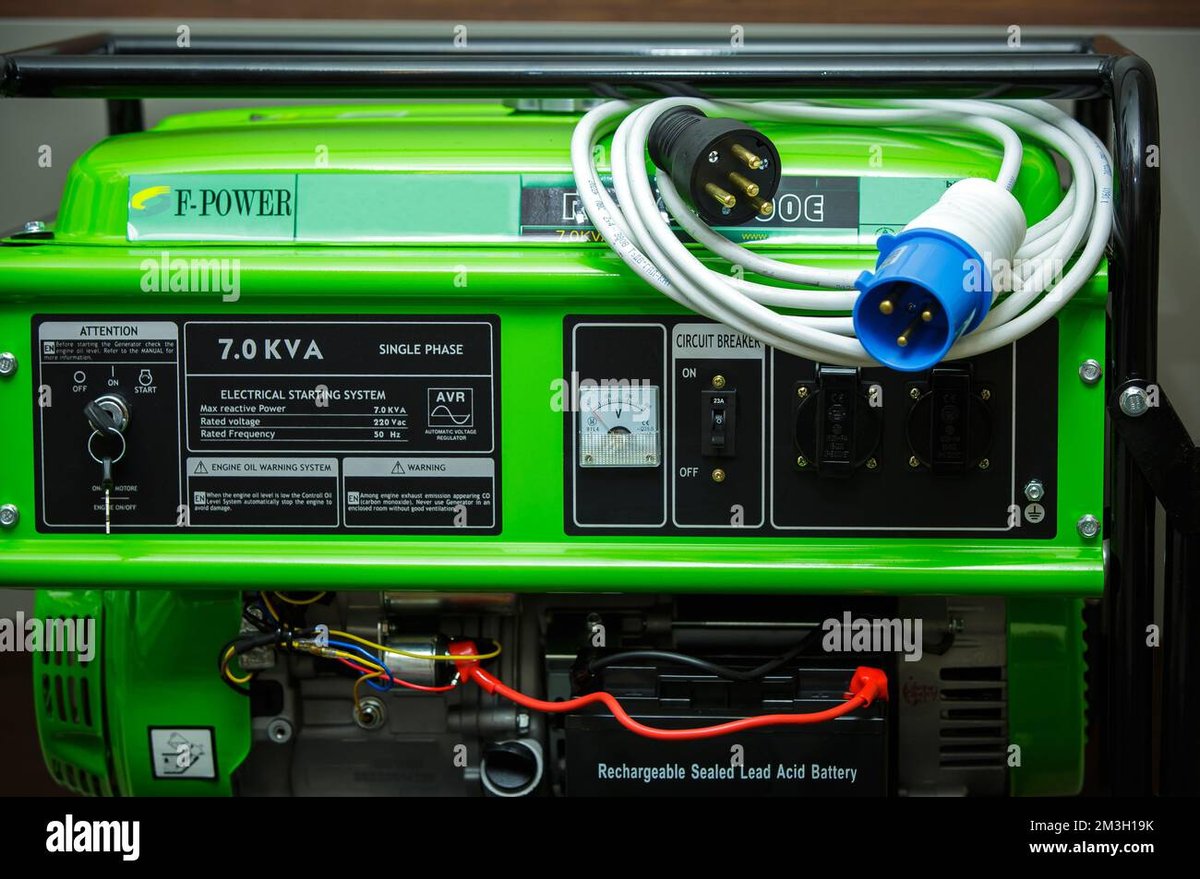
Power outages can strike without warning, turning our modern conveniences into sudden inconveniences. For many homeowners, a reliable generator is the ultimate peace of mind, ensuring lights stay on, food stays cold, and essential systems keep running. But the heart of connecting that life-saving power to your home lies with a seemingly simple component: the generator plug. Far from trivial, understanding, selecting, and properly using generator plugs is absolutely critical not just for effective power delivery, but more importantly, for safety.
This comprehensive guide is designed to empower you with the knowledge needed to harness your generator's power safely and efficiently. We'll demystify the technical aspects, highlight the non-negotiable safety precautions, and walk you through every step, ensuring your home's backup power solution is both robust and secure.
The Foundation of Reliable Backup Power: Understanding Your Generator Plugs
At its core, a generator plug is the physical interface that connects your generator to your home's electrical system, usually through a transfer switch or a generator inlet box. These aren't just any old plugs; they are specialized connectors designed to handle significant power loads and ensure proper grounding. Choosing the right plug is the first step toward a safe and functional setup.
Understanding the different types available and their specific electrical characteristics is paramount. From twist-lock to straight-blade designs, each plug type has a particular amperage and voltage rating, designed for different generator outputs. To get a clear picture of what options are out there and what they mean for your setup, you'll want to View generator plug types and specifications. This foundational knowledge will guide all your subsequent decisions.
Beyond the physical design, ensuring compatibility between your generator, the plug, and your home's inlet is non-negotiable. An incompatible plug can lead to dangerous workarounds or simply won't fit, leaving you powerless when you need it most. Before making any purchases, take the time to Understand generator plug compatibility to avoid frustrating and potentially hazardous mismatches.
Powering Up Safely: Non-Negotiable Standards and Practices
When dealing with electricity, especially high-power generators, safety isn't just a recommendation—it's a critical requirement. Improper use or installation of generator plugs can lead to severe consequences, including electrocution, fire, and damage to your appliances or even your generator itself. The infamous "backfeeding" of power into the grid is a silent killer, endangering utility workers and neighbors alike.
This is why adhering to established electrical codes and manufacturer guidelines is so important. These standards are in place to protect you, your home, and anyone interacting with the power grid. To fully grasp the regulatory landscape and best practices that keep you safe, our dedicated guide will walk you through Generator Plug Safety & Standards. Prioritizing this information will give you confidence in your setup.
Precision in Connection: Proper Wiring and Installation
Once you've selected the correct type of generator plug and understand the safety standards, the next crucial step is proper wiring and installation. This isn't a task for guesswork; even a minor wiring error can have major consequences. Whether you're connecting a plug to a cord or installing an inlet box, precision and adherence to electrical codes are key.
It involves understanding wire gauges, proper insulation, and ensuring all connections are secure and weatherproof. Many homeowners opt for a qualified electrician to handle this part of the setup, especially for connecting to a transfer switch, which is highly recommended. For those looking to understand the process or perhaps perform simpler tasks under guidance, learn how to Safely wire your generator plugs. Remember, when in doubt, always consult a professional.
Ensuring Longevity and Performance: Troubleshooting and Maintenance
Even the most robust generator setup requires periodic attention to ensure it performs reliably when disaster strikes. Generator plugs, like any electrical component exposed to the elements or frequent use, can experience wear and tear. Regular inspection and proper maintenance can prevent minor issues from becoming major problems during an outage.
Knowing how to identify common problems, such as loose connections, corrosion, or damaged insulation, is vital. Simple troubleshooting steps can often resolve minor hiccups, while consistent maintenance can significantly extend the lifespan of your equipment. Don't wait until the power goes out to discover a fault; instead, be proactive. Dive into our comprehensive guide on Generator Plug Troubleshooting & Maintenance to keep your backup power system in peak condition.
A reliable generator plug is more than just a piece of hardware; it's a critical link in your home's energy independence and safety. By thoroughly understanding its types, adhering to stringent safety standards, ensuring correct installation, and maintaining it diligently, you're not just preparing for an outage—you're investing in true peace of mind. We encourage you to explore each of our supporting pillar guides to build an unshakeable foundation for your home's backup power system.